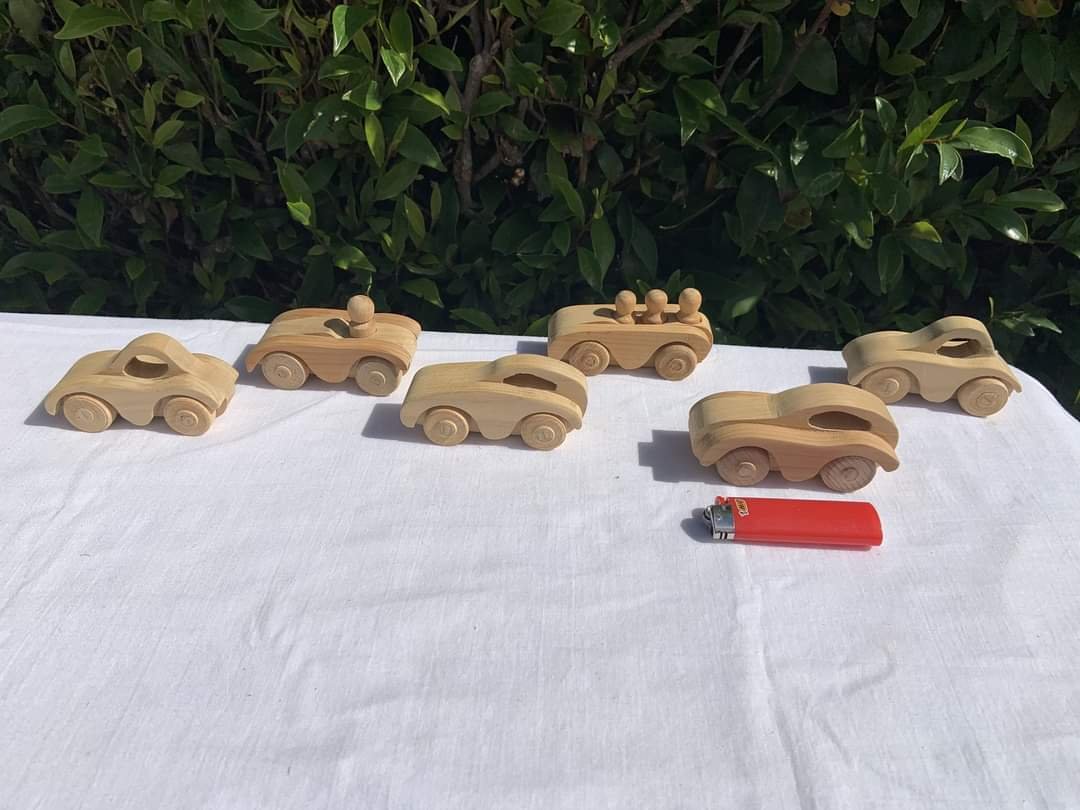
In our Whangarei workshop, we work with various native New Zealand timbers—each beautiful, each with distinct properties. But when parents ask what makes the finest toys, the answer consistently returns to Kauri. This isn't marketing hyperbole; it's the result of years spent crafting toys from this remarkable timber and watching how they perform across generations of play.
Understanding why Kauri stands apart requires looking beyond surface beauty to the qualities that matter for children's toys: durability, safety, tactile experience, and the connection to place that makes heirloom pieces meaningful.
The Heritage of Kauri
Kauri forests once dominated Northland. These ancient trees grew slowly, developing timber with unique characteristics prized by Māori for waka (canoes) and early European settlers for buildings and ships. While old-growth Kauri logging ceased decades ago, sustainably sourced Kauri remains available through reclaimed timber and carefully managed forestry.
This heritage matters. When you give a child a Kauri toy, you're connecting them to New Zealand's natural history—to forests that predated human arrival, to timber that built this nation, to a legacy of craftsmanship spanning centuries.
What Makes Kauri Exceptional for Toys
Density and Durability Without Excessive Weight
Kauri occupies a sweet spot: dense enough for exceptional durability, yet lighter than many hardwoods. A Kauri toy car has substance—children feel its quality immediately—but remains light enough for small hands to manipulate easily. This balance matters enormously for toys serving babies through preschoolers.
The timber's density means resistance to dents and scratches. While softer woods show wear quickly, Kauri maintains its surface integrity through years of enthusiastic play. Dropped repeatedly? Tossed into toy boxes? Used as construction materials for block towers? Kauri handles it all while maintaining the smooth finish crucial for safety and tactile appeal.
Fine, Even Grain for Smooth Finishes
Kauri's fine, consistent grain allows craftspeople to achieve remarkably smooth finishes—important when toys inevitably end up in mouths. Unlike coarser woods requiring heavy finishing, Kauri sands to a silky texture with food-safe oils alone. This smoothness isn't just pleasant; it's safe, with minimal splintering risk even after years of use.
The even grain also provides aesthetic benefits. Kauri's subtle patterns and warm honey tones showcase natural wood beauty without overwhelming variation. Children respond positively to this natural warmth—studies suggest natural materials provide calming sensory input compared to synthetic alternatives.
Natural Stability and Moisture Resistance
Toys face environmental challenges: humidity changes, temperature fluctuations, occasional moisture exposure from drool or spills. Kauri's natural stability means less warping, splitting, or cracking than many alternatives. The timber's slight moisture resistance (while not waterproof) provides additional protection for toys inevitably subjected to less-than-ideal conditions.
This stability extends toy longevity significantly. That wooden truck surviving multiple children isn't luck—it's Kauri's inherent properties protecting against environmental stress.
The Safety Factor Often Overlooked
Beyond durability and beauty, Kauri offers inherent safety advantages. The wood's naturally antimicrobial properties create a healthier play surface—particularly important for toys that inevitably end up in young mouths. Unlike plastics that may contain questionable chemicals or require synthetic finishes, properly treated Kauri provides a non-toxic alternative where safety and health are paramount.
The timber's stability also means fewer splinters and a smooth finish that remains consistent through years of handling, washing, and play. Parents can confidently offer Kauri toys to teething babies, knowing the surface won't degrade into rough patches or shed material.
Comparing Kauri to Other Toy Woods
How does Kauri compare to alternatives like pine, beech, or even other native New Zealand timbers?
Pine, while affordable and accessible, lacks Kauri's density. Pine toys dent more easily and show wear faster. They're perfectly suitable for budget-conscious families but won't achieve heirloom status.
Rimu, another native New Zealand timber we use extensively, offers beautiful red tones and good durability. It's heavier than Kauri—advantageous for certain toys but potentially cumbersome for smaller items meant for baby hands. Rimu's gorgeous color darkens beautifully with age, making it ideal for display pieces and larger toys.
Macrocarpa provides excellent sustainability (faster growing than Kauri) and works beautifully for larger items. It's softer than Kauri, meaning more care required to maintain surfaces, but its light color and pleasant aroma make it popular for certain applications.
Beech and maple, common in imported toys, are fine woods. However, they lack the connection to place that New Zealand native timbers provide—and for our market, using local timber supports sustainable forestry and local economies while reducing environmental impact from shipping.
An Investment in Timeless Play
Consider the lifecycle of a typical plastic toy vehicle: a few months of play, perhaps a year if you're lucky, then off to the landfill. Now imagine a beautifully crafted Kauri wooden toy car—solid, smooth, ready for endless imaginative journeys—that moves seamlessly from child to grandchild, accumulating stories and memories along the way.
This is the promise of New Zealand wooden toys crafted from Kauri: playthings that transcend trends, resist obsolescence, and gain value through the years. They represent a different philosophy of childhood—one where fewer, better-made items foster deeper engagement and more meaningful play.
The initial investment in Kauri toys pays dividends across years and children. Calculate cost-per-use over a decade or more, factor in the elimination of replacement purchases, and suddenly that premium price makes economic sense—before even considering developmental benefits and environmental impact.
Choosing Quality That Endures
The decision to choose Kauri wood for children's toys isn't merely about selecting a material—it's about embracing values. It's choosing durability over disposability, natural beauty over synthetic uniformity, and sustainable craftsmanship over mass production.
From a simple wooden toy car to an elaborate collection of toy vehicles, Kauri wood transforms play into an experience steeped in natural beauty and enduring value. When you invest in New Zealand wooden toys made from this premium timber, you're not just buying a toy—you're passing down a piece of heritage, a connection to ancient forests, and a commitment to quality that will outlast childhood itself.
In our Whangarei workshop, we continue working with Kauri not from tradition alone, but from consistent evidence that it produces the finest toys—ones children treasure, parents trust, and grandparents pass down. That's the true measure of quality: not marketing claims, but decades of satisfied families choosing Kauri again and again.
Give your child something that matters. Choose Kauri.