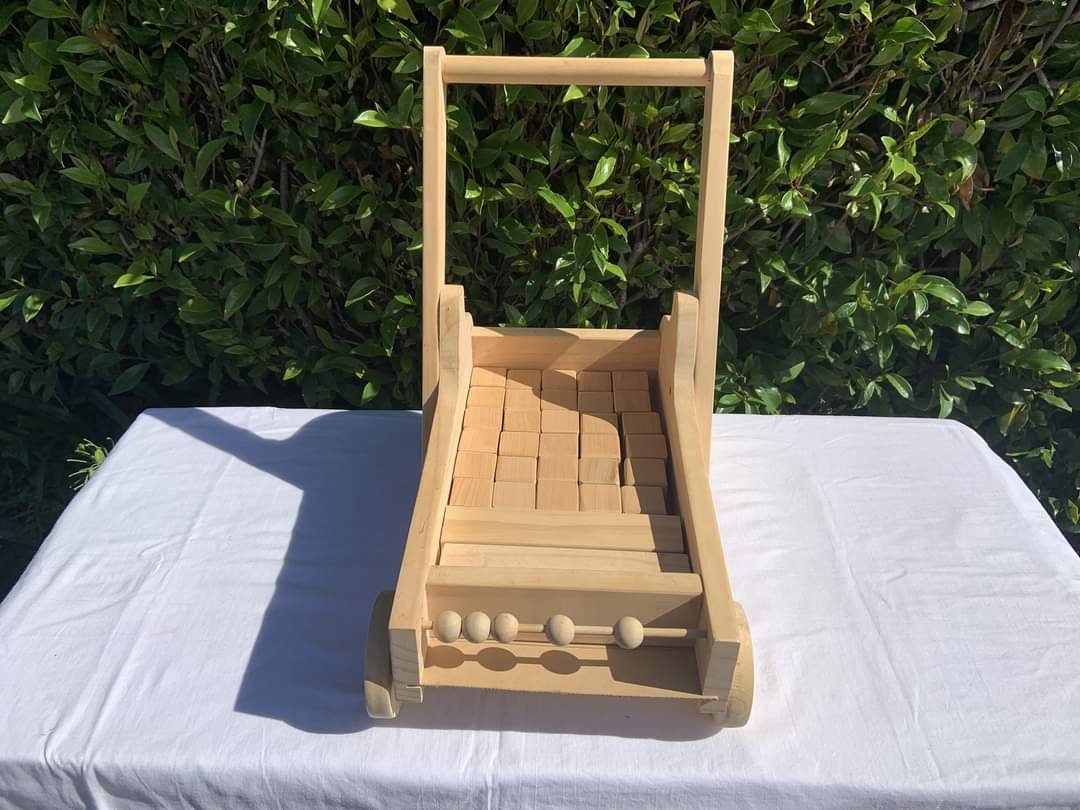
Wooden toys bring warmth and nostalgia to playtime, but they also pick up dirt, germs, and the occasional sticky jam smudge. Unlike plastic, wood needs a gentler touch—harsh chemicals can strip the finish or warp the grain. So, how do you keep those handcrafted treasures safe, clean, and ready for endless adventures?
The secret lies in natural, everyday ingredients you already have in your kitchen: warm water, white vinegar, a splash of lemon, and a dab of food‑grade oil. This simple routine disinfects without toxins, protects the wood's integrity, and leaves behind a fresh scent that kids actually enjoy.
Why Choose Natural Cleaners for Wooden Toys?
Most store‑bought cleaners are loaded with synthetic surfactants, artificial fragrances, and preservatives. While they might work on plastic, they're overkill for wood. A strong chemical spray can soak into the grain, leaving residues that toddlers later put in their mouths.
Natural cleaners, by contrast, rely on simple acids (like vinegar and lemon) that break down grime and kill surface bacteria. These ingredients are food‑grade, meaning they're safe if a little bit ends up on a child's hands—or even in their mouth during a teething episode.
Benefits at a glance:
- Non‑toxic: No harsh chemicals that linger on toy surfaces.
- Wood‑friendly: Mild acids preserve the finish instead of stripping it.
- Cost‑effective: White vinegar, lemon juice, and dish soap are kitchen staples.
- Eco‑conscious: Biodegradable, no plastic bottles to toss.
- Pleasant scent: A hint of citrus instead of chemical fumes.
Think about it: if you're already wiping down the kitchen counter with vinegar, why not extend that same gentle power to your kids' toys?
Step 1: Gather Your Natural Cleaning Supplies
Before you start scrubbing, let's round up the essentials. The good news? Most of these items are sitting in your pantry right now.
What you'll need:
- Warm water: Lukewarm is ideal—hot water can warp thin wooden pieces.
- White distilled vinegar: A natural disinfectant that cuts through grime without harsh fumes.
- Lemon juice (fresh or bottled): Adds citric acid and a fresh scent.
- Mild dish soap: Just a tiny squirt—look for a plant‑based formula if you have it.
- Microfiber cloths (2‑3): Soft, lint‑free, and gentle on wood grain.
- A small bowl or spray bottle: For mixing your solution.
- Food‑grade mineral oil or coconut oil: To restore shine after cleaning.
- Optional: A soft‑bristle toothbrush: Great for carved details or puzzle grooves.
Step 2: Mix Your Natural Cleaning Solution
This is where the magic happens. You're creating a gentle yet effective cleaner that respects wood's natural texture while zapping germs and grime.
The recipe:
- Pour 1 cup of lukewarm water into your bowl or spray bottle.
- Add 1 tablespoon of white distilled vinegar.
- Squeeze in 1 tablespoon of fresh lemon juice (about half a small lemon).
- Drop in 1 teaspoon of mild dish soap—just enough to create a light foam.
- Swirl gently until everything blends. You'll see a slight cloudiness; that's normal.
Why this combo? The vinegar's acetic acid neutralizes bacteria, lemon adds extra cleaning power and a fresh scent, and the soap lifts dirt without leaving a greasy film.
Step 3: Wipe Down Each Toy Gently
Now comes the hands‑on part. Grab your first toy—maybe that adorable wooden train or a puzzle your toddler chews on daily—and let's get it clean.
The technique:
- Dip and wring: Soak a microfiber cloth in your cleaning solution, then wring it out until it's just damp—not dripping.
- Gentle strokes: Wipe each surface with smooth, even motions. Follow the wood grain if you can see it.
- Pay attention to grooves: Use a soft‑bristle toothbrush dipped lightly in the solution for carved details.
- Don't soak: Never submerge a wooden toy in water or let it sit in a puddle.
Step 4: Rinse and Disinfect with Care
After you've wiped down the toy, there's still a thin layer of soap and vinegar on the surface. A quick rinse removes any lingering residue and leaves the wood feeling clean, not sticky.
How to rinse properly:
- Grab a second microfiber cloth and dampen it with plain lukewarm water.
- Wring it out well—again, damp, not wet.
- Wipe over the toy's surface to lift away the cleaning solution.
- If you feel any soap film, go over it one more time with a freshly dampened cloth.
Step 5: Dry, Store, and Maintain
Now that the toys are clean and disinfected, the next mission is getting them completely dry so the wood stays happy. Moisture that lingers in the grain can cause swelling, warping, or even mold.
Grab a clean, lint‑free towel and lay each piece flat on a dry surface. Pat gently; don't rub harshly. A sunny windowsill works wonders, but keep the toys out of direct, scorching heat.
Quick Storage Checklist:
- All pieces are completely dry
- No residual soap or vinegar
- Container is breathable, not airtight
- Moisture absorbers are in place
- Optional scent sachet is fresh
FAQ
How often should I clean wooden toys naturally?
Most parents find a monthly rhythm works well – it's enough to keep grime and germs at bay without over‑doing it. If your kids are especially messy, a quick spot‑clean after each play session helps.
Can I use regular kitchen vinegar for cleaning?
Yes, plain white distilled vinegar is perfect. Mix one part vinegar with four parts lukewarm water and add a splash of mild dish soap.
What's the safest natural oil for conditioning wooden toys?
Food‑grade mineral oil or a dab of coconut oil works wonders. Both are odorless, non‑toxic, and create a thin barrier that seals the grain.
Is it okay to put wooden toys in the dishwasher?
Definitely not. Dishwashers expose wood to high heat, aggressive water pressure, and harsh detergents that can strip the finish and cause warping.
Conclusion
We've been through the whole routine, from gathering kitchen staples to giving each piece a final polish, and you now have a clear roadmap for how to clean wooden toys naturally.
The biggest win? You're using things you already have—warm water, a splash of vinegar, a dab of lemon, and a bit of food‑grade oil—so there's no extra cost or chemicals to worry about.
Ready to make cleaning a quick, stress‑free habit? Dive into your next play session knowing the toys are safe, spotless, and ready for endless imagination.